

Paper Cold Cups
Jan 05, 2026
Leave a message
Features of Paper Cold Cups
These are the standard elements that define the product:
Material: Typically made from kraft paperboard or white-lined chipboard, derived from sustainable wood pulp.
Waterproof Lining: The critical feature. The paper is laminated on the inside with a thin layer of polyethylene (PE) plastic to prevent leakage and withstand condensation.
Insulation: Paper is a natural insulator, providing a comfortable grip and reducing heat transfer, keeping drinks colder longer than bare plastic or metal.
Printability: Excellent surface for high-quality branding, custom designs, and marketing messages using flexographic or offset printing.
Rigidity & Stackability: Designed to maintain shape when filled and stack neatly for storage and transport.
Lid Compatibility: Standardized brims to work with flat or dome plastic lids for spill resistance and portability.
Advancements & Innovations
The paper cup industry has evolved significantly to address environmental concerns and enhance performance.
1. Sustainability & Material Science (The Biggest Area of Advance)
Bio-based Linings: Moving away from fossil-fuel-based PE to linings made from PLA (Polylactic Acid), derived from corn or sugarcane. These are commercially compostable in industrial facilities.
AquaCoat / Water-based Barriers: Emerging technology that uses a dispersion of minerals and polymers to create a functional barrier without traditional plastic film. These cups are often recyclable in standard paper streams and home-compostable.
Polymer-Free & Fully Recyclable/Compostable: Advanced designs using proprietary coatings (e.g., clay-based) that allow the cup to be recycled with paper or composted, breaking the "plastic lining" barrier.
Improved Fiber Sourcing: Increased use of FSC (Forest Stewardship Council) certified paper and post-consumer recycled fiber, reducing virgin wood pulp demand.
2. Functional & User Experience
Enhanced Insulation: Double-walled or fluted designs (like a Java Jacket built-in) for better temperature retention without a separate sleeve.
No-Sweat Walls: Advanced linings and cup structures that significantly reduce condensation, keeping hands dry.
Improved Durability: Better seam bonding and wet-strength paper to prevent sogginess and failure over time.
Smart Cup Technology: Embedding QR codes or NFC tags under the liner for interactive marketing, tracing recycling info, or engaging in customer loyalty programs.
3. Design & Manufacturing Efficiency
Lightweighting: Using stronger paper grades to reduce material use per cup without sacrificing performance, lowering carbon footprint and cost.
Digital Printing: Enables short runs, hyper-customization, and faster turnaround for seasonal or event-specific designs.
Innovative Shapes & Ergonomics: Tapered designs, improved rim contours for drinking comfort, and optimized base designs for vehicle cup holders.
Comparison: Traditional vs. Advanced Paper Cold Cups
| Feature | Traditional Paper Cold Cup | Advanced Paper Cold Cup |
|---|---|---|
| Lining | Polyethylene (PE) Plastic | PLA, Water-based Barrier, Polymer-free |
| End-of-Life | Landfill (Recycling limited) | Industrial Compostable, Recyclable, Home Compostable |
| Insulation | Single-wall, needs sleeve | Double-wall, no-sweat tech integrated |
| Material Source | Virgin Wood Pulp | FSC Certified, High Recycled Content |
| Customization | Long-run, high-minimum printing | Digital print, flexible runs |
| Core Challenge | Difficult to recycle due to plastic lining | Higher cost, specific disposal infrastructure needed |
Traditional Paper Cold Cup Advanced Paper Cold Cup
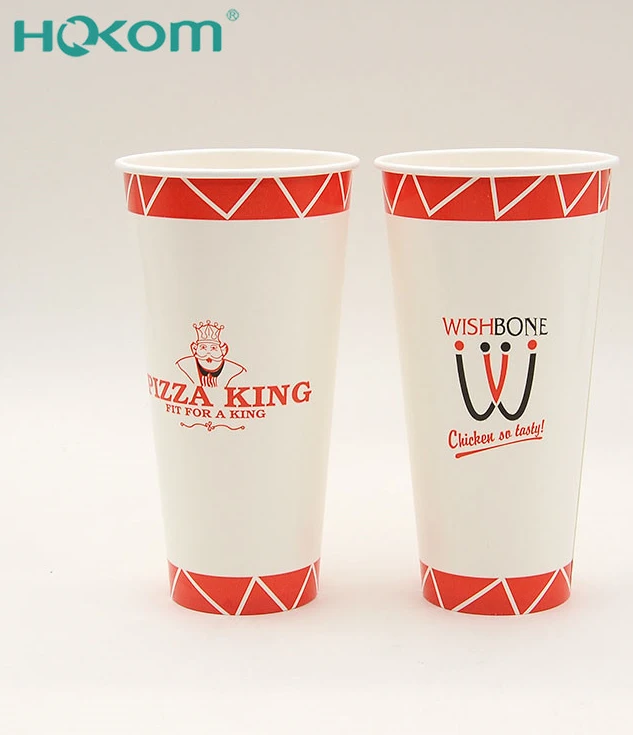
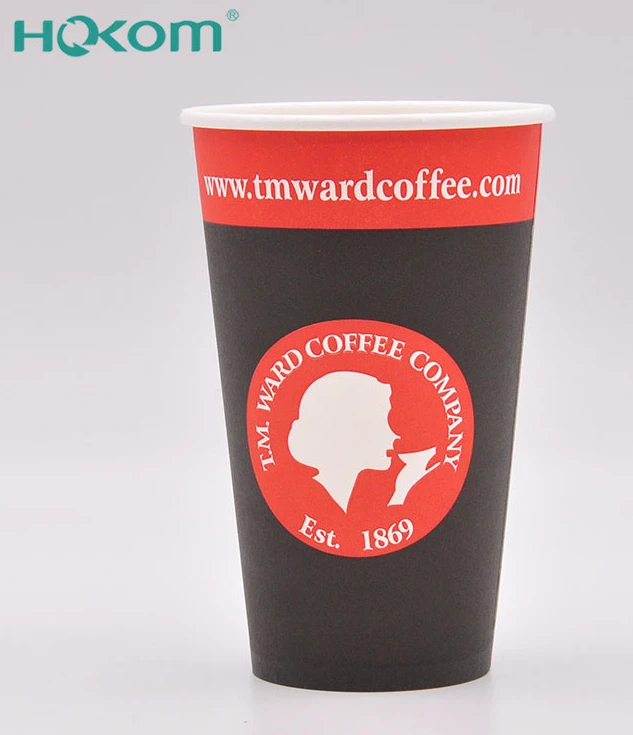
Future Outlook & Challenges
Circular Economy: The ultimate goal is to create a true closed-loop system where cup material is efficiently collected and recycled into new products.
Infrastructure: Advancements rely heavily on parallel development in commercial composting and recycling streams that accept these new materials.
Cost Parity: Bringing the cost of advanced sustainable cups down to compete with traditional PE-lined cups remains a challenge for widespread adoption.