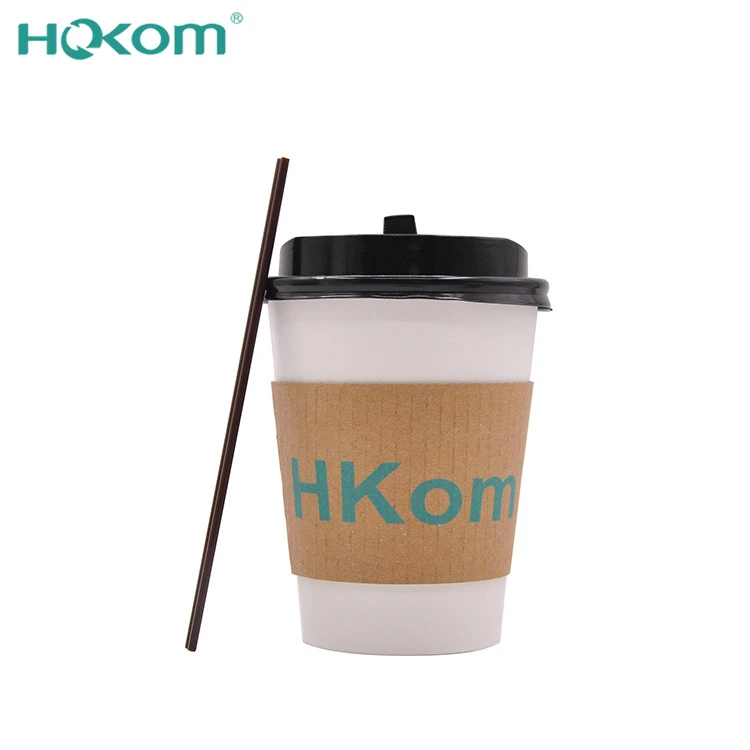
Paper Cup Industry: Key Facts for Manufacturers
Nov 05, 2025
Leave a message
1. Core Materials: More Than Just Paper
Base Board: Typically kraft paper (190-350 gsm). Weight determines rigidity and heat retention.
PE Coating: The standard for leak-proofing. Makes cups suitable for hot and cold beverages but challenges recycling.
PLA Coating: A bio-based, compostable alternative.
Crucial Note: PLA is for cold drinks only (heat sensitive) and requires industrial composting facilities.
2. The Manufacturing Edge
Modern production focuses on high-speed, precision converting:
Printing: Flexography is standard for cost-effectiveness; offset for premium quality.
Forming & Sealing: Ultrasonic side seam technology is becoming critical. It creates a stronger seal without glue or plastic, enhancing the cup's recyclability.
3. Key Product Categories & Specifications
Understanding the market segments is key to product development.
Wall Construction: Often single-wall, but double-wall (or "insulated") cups are premium options that provide better heat retention and a more comfortable grip.
Capacity: Standard sizes from 4oz (Espresso) to 20oz (Large).
Features: Rolled rims for comfortable drinking, and tight-sealing lids.
Wall Construction: Almost always single-wall.
Special Feature: "Cup Sweat" is a common issue. Some manufacturers offer cups with a micro-thin coating or additive to reduce condensation.
Capacity: Can range from 9oz to 32oz and beyond, often with taller, slimmer profiles.
4. Key Market Trends
Brand Customization: Cups are mobile billboards. High-quality printing and unique designs are key value-adds.
Delivery-Optimized Design: The rise of food delivery demands cups with superior crush-resistance and leak-proofing.
Regulatory Compliance: Stay ahead of bans on single-use plastics and regulations concerning PFAS and recycled content.
Conclusion
The paper cup is far from a simple commodity. It is a technically complex product at the intersection of material science, manufacturing efficiency, and evolving environmental policy. For a factory, success hinges on a deep understanding of these layers-offering the right material (PE vs. PLA), ensuring superior manufacturing quality, providing custom solutions for brands, and proactively addressing the global push towards a circular economy. The future belongs to manufacturers who can produce not just a cup, but a responsible, high-performance packaging solution.